





The Food and Agriculture Organization of the United Nations (FAO), the World Organisation for Animal Health (OIE), the United Nations Environment Programme (UNEP) and the World Health Organization (WHO) welcome the newly formed operational definition of One Health from their advisory panel, the One Health High Level Expert Panel (OHHLEP), whose members represent a broad range of disciplines in science and policy-related sectors relevant to One Health from around the world.
-
- What is One Health?
- One Health Core Competencies
- Economic Benefits
- Roadmap to One Health
- About the Commission
- Mission, Vision, Goals, Outcomes
- History
- Value of the Commission
- Strategic Plan
- Leadership
-
- Why Support the Commission?
- Current Actions of the One Health Commission
- Donate
- About Sponsorship
- Individual Sponsorship
- Institutional Sponsorship
- Corporate Sponsorship
- List of Sponsors
- Sponsors' One Health Highlights
-
- Global Events Since 2001
- One Health Awareness Month
- One Health Day
- One Health Education Online Conference
- 2nd Int'l Who's Who in OH Webinar (2016)
- 1st Int'l Who's Who in OH Webinar (2014)
-
- Global One Health Happenings News Notes
- One Health News
- Narratives of One Health In Action
- Commission News
- Press Releases
-
- Bat Rabies Education Initiative
- One Health Education Initiatives - Overview
- One Health Education - US Initiative
- One Health Scholarships
- One Health Social Sciences Initiative
-
- JOIN the GLOBAL OH COMMUNITY LISTSERV
- One Health Education Resources
- One Health LIBRARY
- OH OPPORTUNITIES BULLETIN BOARD
- OH Resources for Public Health Educators
- OH Speaker Bank
- One Health Strategic Action Plans
- One Health Tools / Toolkits
- WHO's WHO in One Health
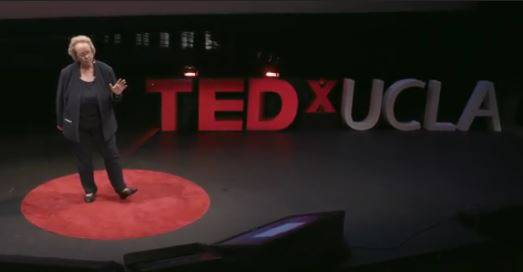
 and the University of Hyderabad, hosted the first One Health Summit in India.
 to inspire colleagues and students to view animal and human medicine as one continuous health-related tapestry.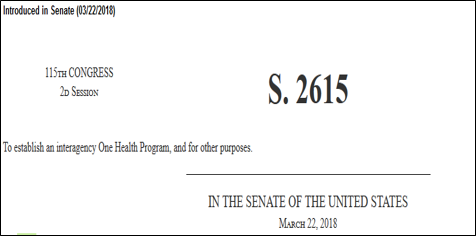
 the realization that human health is dependent upon the environmental health and animal health,” Deem says. “We’re the ones who make the changes on this planet.”
 help countries identify their top five zoonotic diseases of greatest national concern. Workshop participation can help strengthen multisectoral collaborations in a country, as participants include a wide-ranging group of partners who work to protect the health of people, animals, or the environment. Prioritizing zoonotic diseases means countries can more efficiently build laboratory capacity, conduct disease surveillance, plan outbreak response and preparedness activities, and create collaborative disease prevention strategies to reduce illness and death in people and animals. Information on these workshops and summary reports can be found on